

2:15 AM How to Winterize Plumbing in North Shore, IL Homes | |
As winter approaches in the North Shore, Illinois, homeowners are often focused on heating bills and snow removal—but plumbing is where expensive, avoidable damage can start. When temperatures drop, exposed pipes can freeze, expand, and crack, leading to leaks that may not be discovered until after the thaw.
Preparing your plumbing ahead of time is a straightforward process. The key is to identify where water lines are most vulnerable, then insulate, protect, and maintain steady, low-level heat or flow so water doesn’t freeze inside the pipes. 1) Find the pipes most at risk
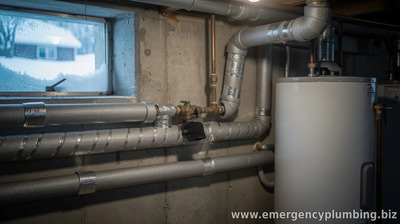
Start with a quick inspection to locate plumbing that could be exposed to cold air. Pay special attention to pipes in unheated areas such as basements, crawl spaces, garages, and utility rooms. Also check for lines running through exterior walls, near drafty windows or doors, and under kitchen or bathroom cabinets on exterior walls. 2) Insulate water lines—and seal air leaks
Once you’ve identified vulnerable pipes, insulate them using foam pipe sleeves or other appropriate insulation. Insulation helps reduce temperature swings, but it works best when paired with air sealing. Use weatherstripping and caulk to close gaps around exterior penetrations where pipes enter the home, and remove drafts from vents or unfinished openings.
For outdoor lines and hoses, disconnect everything from spigots and drain the remaining water in the line. If your home has an outdoor shutoff valve or crawl-space plumbing near the foundation, insulate those sections as well. 3) Use safe protection for crawl spaces and exterior runs
For crawl spaces, maintaining consistent temperatures is critical. Consider blocking vents or adding insulation to the area, but ensure any changes still comply with local building and moisture-control best practices. If you use heat tape, follow the manufacturer’s instructions and only apply it where appropriate—overuse or improper installation can create uneven warming or increase risk.
When possible, keep cabinet doors open during cold snaps to allow warmer air to reach interior plumbing. Even small actions can help slow freezing by reducing the time pipes spend below freezing. 4) Prevent freezing with steady water flow
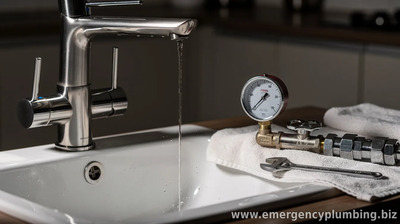
During extreme cold or prolonged sub-freezing weather, allow a small, continuous drip from the faucet connected to vulnerable pipes. This relieves pressure and reduces the chance of ice forming inside the line. The goal isn’t to waste water—it’s to keep water moving just enough to prevent freezing.
If you have a home water shutoff strategy, ensure the location is accessible and that you know how to fully turn off the water in an emergency. This can help limit damage if a pipe does freeze. 5) Know what to do when you suspect frozen pipes
If a pipe appears to be freezing, don’t wait. Signs include reduced or no water flow, unusual noises, or frost on exposed sections. Safest approaches typically involve warming the affected area gradually and avoiding open flames. If you’re unsure or the situation worsens, contact a licensed plumber promptly to prevent cracking.
After any freeze event, check for leaks before normalizing usage—especially around joints, valves, and previously insulated sections—since damage can develop even after water starts flowing again.
Taking time now to inspect, insulate, and protect North Shore plumbing can reduce the likelihood of burst pipes and emergency repairs. If you want added assurance, a professional winterization visit can help identify hidden vulnerabilities in crawl spaces, exterior runs, and less-accessible lines.
| |
⏰ Dispatcher support 24/7
📞 224-754-1984CALL ☎ Subscribe 👆 FORUM 🗣
North Shore, Northwest suburbs of Chicago, IL
Next & Previous posts
Related articles: