

1:03 AM What’s Really Causing a Slow Bathroom Sink Drain? | |
A bathroom sink that drains slowly is one of the most common household plumbing complaints, and the cause is often less dramatic than people think. In most cases, the bottleneck is a buildup inside the drain line or in the trap area, where debris collects over time.
Plumbers typically see a few repeat offenders. The good news: with basic inspection and targeted cleaning, many slow drains can be restored without major repairs. Hair and soap scum: the most frequent cause
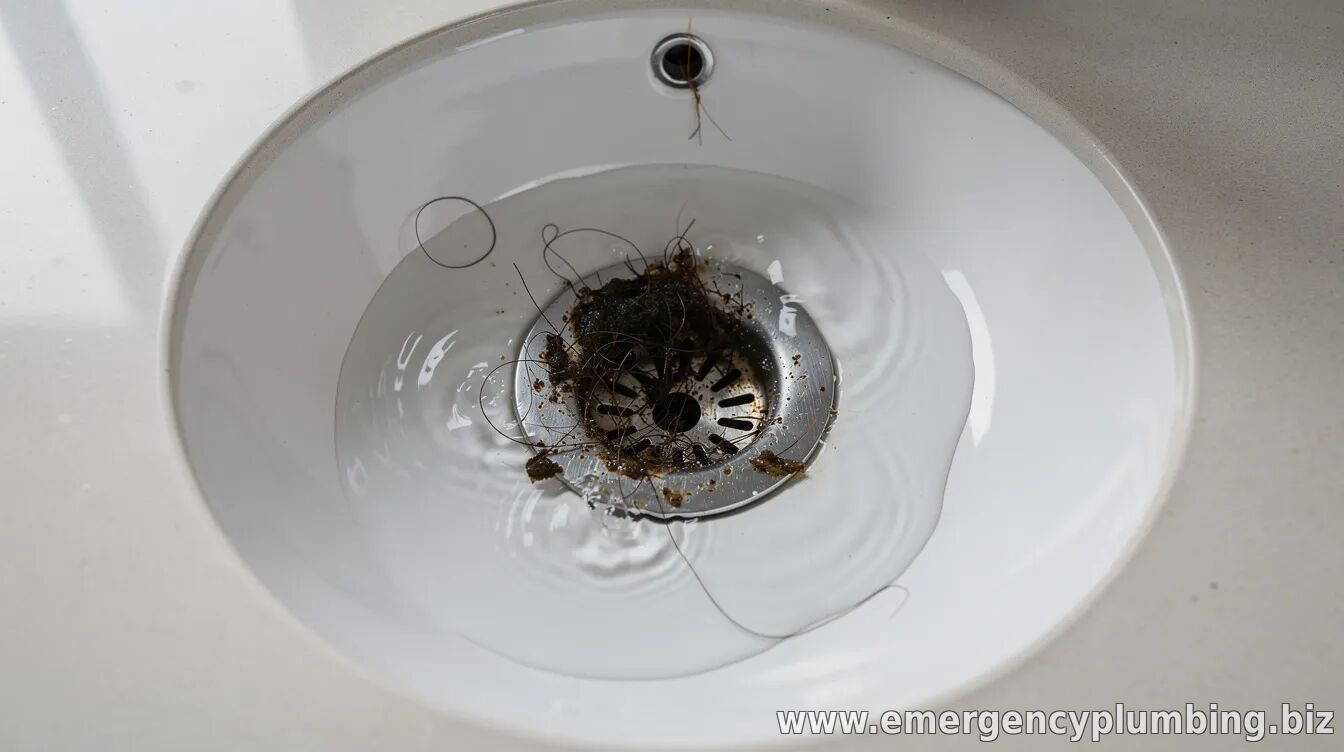
Long strands of hair, fibers from bath products, and fine debris tend to catch and accumulate near bends and in the P-trap—the curved section of pipe under the sink. When mixed with soap residue, they form a sticky mass that reduces flow and eventually slows draining significantly.
If you notice water draining more slowly after hair-heavy showers or shaving routines, this is a strong indicator. You may also see gunk in the sink strainer or around the drain opening. Grease and “bar” buildup from daily use
Even if the sink doesn’t look greasy, everyday products can leave behind residue. Soap, lotion, toothpaste ingredients, and even small amounts of oils from hands can coat the inside of pipes. Over time, this film can trap other debris and narrow the pipe.
Signs you’re dealing with residue buildup include a drain that clears for a short time after cleaning, then slows again after a few days or weeks. Mineral deposits and hard-water scale
In areas with hard water, mineral deposits can build up in drain lines and trap fittings. Scale tends to accumulate gradually and may not be obvious until flow becomes noticeably sluggish.
Hard-water buildup is more likely if you also see mineral staining on faucets, showerheads, or around drain fixtures. Clogs deeper in the line or a partially collapsed vent
Sometimes the slowdown isn’t just in the trap. Debris can move down the line until it gets caught in another bend, and a partial clog can form further away from the sink. A less common but important factor is venting—if the plumbing vent is blocked, air can’t move properly through the system, leading to slow drainage and sometimes gurgling sounds.
Consider this if multiple drains in the same bathroom also behave poorly or if the sink makes noises as water drains. How to diagnose before you try to force it
Before reaching for stronger solutions, start with quick checks that narrow down the likely cause. Many slow drains can be resolved by targeted cleaning in the trap and drain opening.
For chemical cleaners, it’s best to use them selectively and according to product instructions—especially if you’re not sure what’s causing the clog. In many “slow drain” cases, mechanical cleaning (strainers, trap cleaning, and snaking) is more reliable and avoids unnecessary residue buildup.
Ultimately, the “real” cause of a slow bathroom sink drain is usually a combination of what goes down the drain and where it collects. By identifying whether the issue is hair-and-soap buildup, residue coating, mineral scale, or a deeper blockage, you can choose the most effective fix—and keep the problem from coming back.
| |
⏰ Dispatcher support 24/7
📞 224-754-1984CALL ☎ Subscribe 👆 FORUM 🗣
North Shore, Northwest suburbs of Chicago, IL
Next & Previous posts
Related articles: