

2:12 AM Humidifier vs. Dehumidifier: Do You Need Both? | |
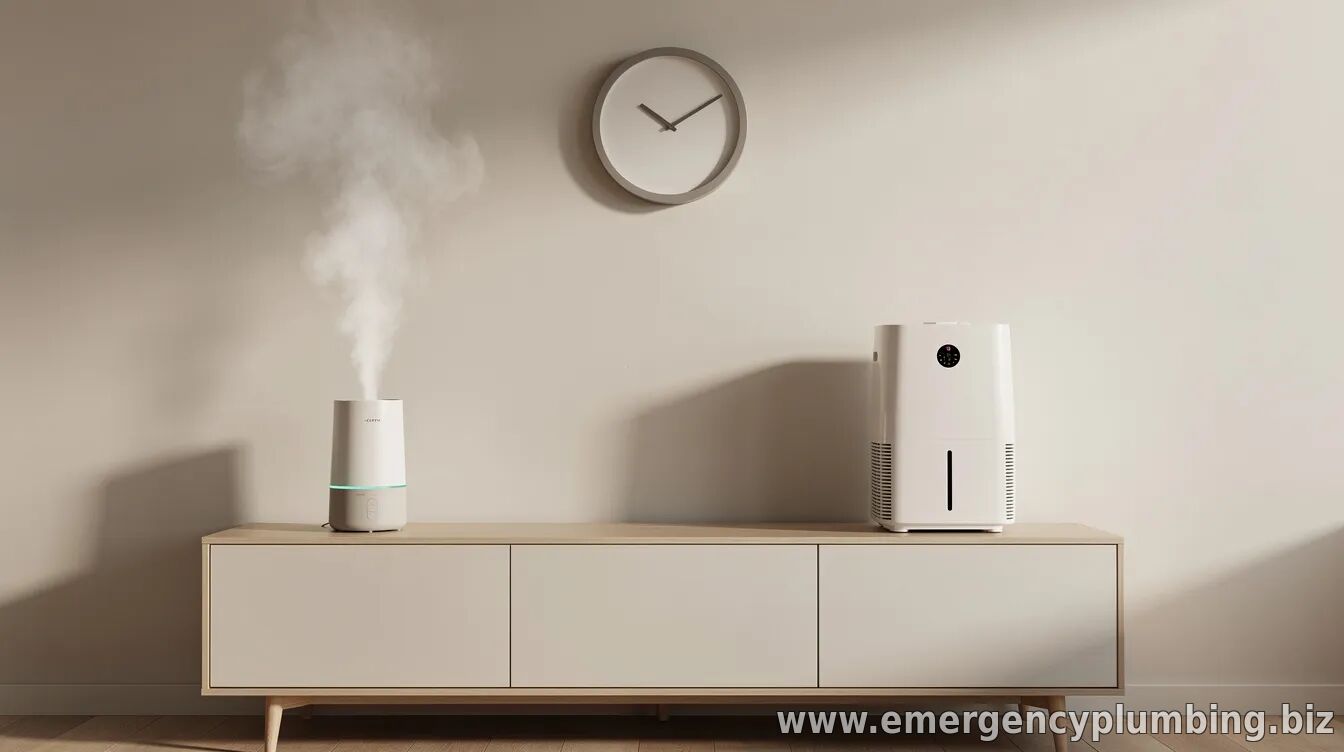
Most people don’t need both a humidifier and a dehumidifier running all the time. In most homes, you only need the device that corrects the current problem: either elevated moisture (dehumidification) or overly dry air (humidification). The key is measuring indoor humidity and matching the fix to real conditions.
Indoor humidity is typically measured as relative humidity (RH). Many indoor air-quality guidelines recommend maintaining RH around 30%–50%. When humidity drifts outside that range, comfort and air quality can suffer—and so can the building materials in some cases.
When you need a dehumidifier
If your home is consistently humid—often in warm, wet seasons or in basements and ground floors—a dehumidifier may be the right tool. High RH can create an environment where mold, dust mites, and musty odors thrive, and it can also make indoor air feel “stuffy” even if the temperature is comfortable.
Signs you may benefit from dehumidification include persistent condensation on windows, damp odors, visible mold or mildew in humid areas, or RH readings regularly above 50–60%. In these situations, removing moisture helps prevent moisture-related damage and can make the home feel cooler without changing the thermostat.
When you need a humidifier
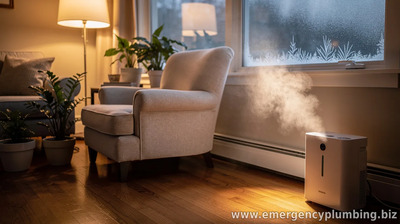
On the other hand, a humidifier is usually helpful when air is too dry, which is more common in colder months when heating systems run. Low RH can worsen symptoms for some people, including dry skin, irritated nasal passages, and coughing—especially overnight.
Indicators of dryness include static electricity, dry or cracked furniture/wood trim, and RH readings below 30–40%. Adding moisture can improve comfort and may reduce how harsh indoor air feels, particularly during winter heating.
Do you ever need both?
In most homes, the answer is no—at least not simultaneously. However, some households may benefit from using both devices seasonally. For example, you might rely on a dehumidifier during humid summer weeks and switch to a humidifier in winter when heating drives RH down. The practical goal is to bring RH back into the recommended range, not to maintain the same humidity level year-round regardless of outside weather.
Running both at once is generally unnecessary and can backfire by pushing RH in the wrong direction. If your home tends to swing between very humid and very dry conditions, a more effective approach is to measure continuously and use the correct device only when the readings call for it.
How to decide quickly
A simple, low-cost starting point is a hygrometer to track RH. Place it in the main living area (and consider a second one for basements or bedrooms if those areas differ). Then compare your typical readings to the 30%–50% target.
Practical next steps:
If you’re unsure whether the problem is humidity or something else, consider the context: leaks, poor ventilation, and water intrusion can cause persistent high RH that no single device can fully fix. Similarly, very dry air may be driven by strong heating settings or air leaks.
Ultimately, a humidifier and a dehumidifier address opposite conditions. Measure first, correct the specific imbalance, and aim for stable RH in the recommended range—often without needing both devices to run continuously.
| |
⏰ Dispatcher support 24/7
📞 224-754-1984CALL ☎ Subscribe 👆 FORUM 🗣
North Shore, Northwest suburbs of Chicago, IL
Next & Previous posts
Related articles: