
2:05 AM Signs Your Sewer Line Needs a Video Inspection | |
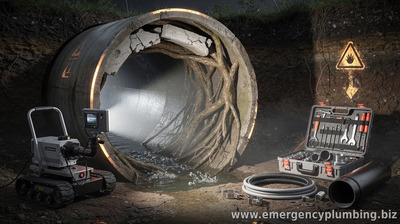
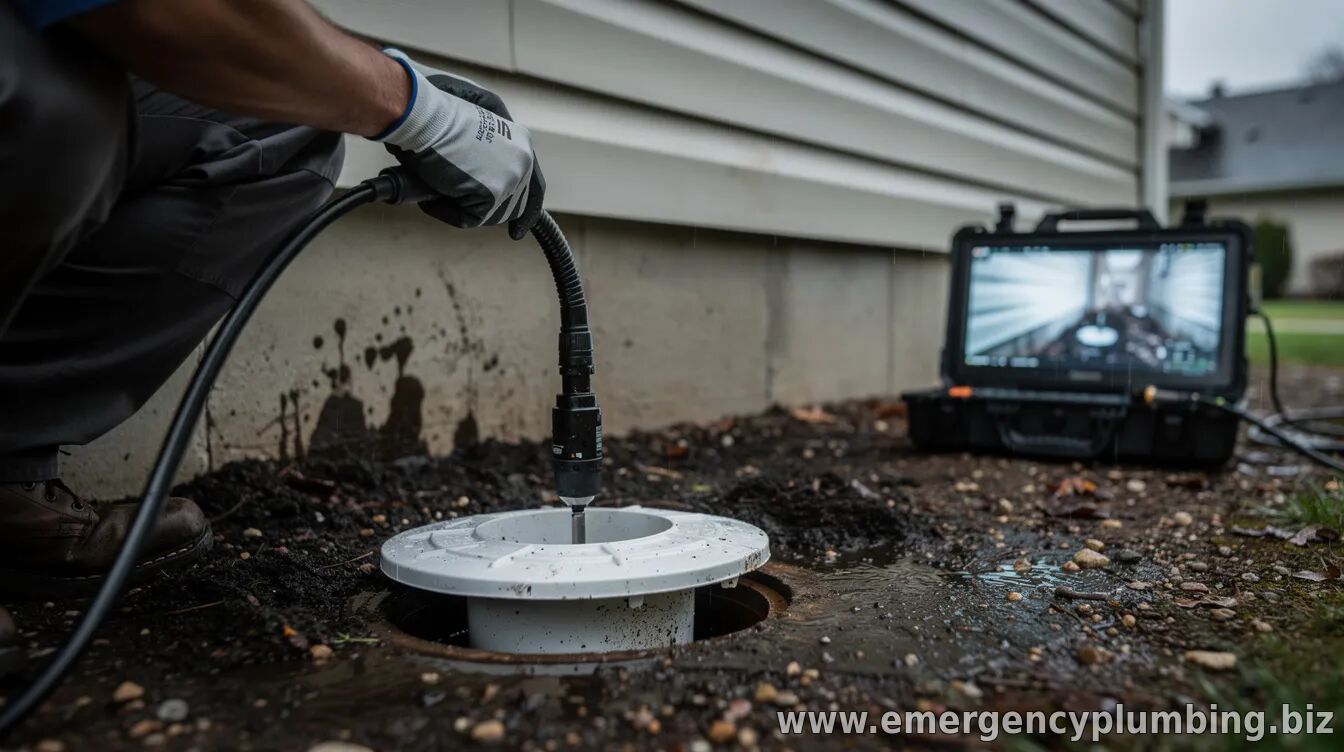
When sewer problems strike, the hardest part is often finding the exact cause and location. That’s where a sewer line video inspection helps: a camera is sent through your plumbing to identify issues inside the pipe without unnecessary excavation.
Here are common signs that it’s time to schedule an inspection—whether you’re dealing with ongoing backups or want to assess the condition of an older line. 1) Recurring clogs or repeated backups
If you find that the same drains keep clogging—even after plunging, snaking, or using store-bought treatments—it may indicate a deeper issue in the main sewer line. Frequent backups can be caused by roots, buildup, a partial collapse, or a blockage that’s too far down the line for quick fixes. 2) Slow drains across multiple fixtures
Slow drainage is more than an inconvenience when it happens to several fixtures at once, such as sinks, showers, and toilets. A sewer line problem can create system-wide sluggishness, especially when wastewater can’t move properly through the pipe.
In some cases, you may also notice that the problem worsens after rainfall or during heavy usage—clues that can help narrow down whether the line is partially blocked or affected by infiltration. 3) Gurgling sounds when using plumbing
Gurgling noises from drains or toilets are often a sign that air is trapped due to restricted flow. While it can sometimes be linked to venting issues, repeated gurgling alongside backup behavior can point to a sewer line restriction that benefits from camera diagnostics. 4) Foul odors or sewer gas odors around your home
Persistent odors can indicate leaks, breaks, or venting problems. If the smell is strongest near drains, in basements, or around outdoor cleanouts, a video inspection can help confirm whether wastewater is escaping from the sewer line.
Don’t rely only on deodorizing products—odors are a symptom of a plumbing failure that may worsen over time. 5) Visible signs outside: wet spots, sinkholes, or discolored soil
Some sewer line issues show up on the surface. Look for unexplained wet areas, soggy ground, depressions, or patches of unusually discolored soil near sewer access points. These can be warning signs of a leak that’s saturating the surrounding ground.
Even if the problem seems minor, water escaping underground can undermine landscaping, create odor problems, and lead to bigger repairs if the pipe continues to degrade. 6) Older plumbing or pre-purchase/home inspection concerns
If your home has an older sewer line—especially if you don’t have maintenance records—a video inspection can be a proactive way to assess condition. Similarly, when buying a property with mature landscaping, prior repair history, or known drainage issues, an inspection can surface problems before you commit.
This is also useful when you’re planning renovations that may affect excavation around the plumbing. Why video inspection matters
A camera inspection provides direct visual evidence of what’s happening inside the pipe. That can help you and a contractor understand whether the issue is:
Armed with that information, repairs can be targeted—often reducing guesswork, turnaround time, and the likelihood of unnecessary digging.
If you’re noticing any of the signs above, consider scheduling a sewer line video inspection as a next step. Early detection can make repairs more manageable and help protect your home from repeat backups, damage, and higher repair costs.
| |
⏰ Dispatcher support 24/7
📞 224-754-1984CALL ☎ Subscribe 👆 FORUM 🗣
North Shore, Northwest suburbs of Chicago, IL
Next & Previous posts
Related articles: