

2:14 AM Moen Flo vs. Traditional Leak Detectors: Is It Worth It? | |
Water leaks are one of the most common causes of costly home damage—yet traditional leak detectors, while effective, often rely on simple alarms and may not provide the same level of visibility across a home. The question for buyers is whether a smart system like the Moen Flo is worth paying extra compared with traditional leak detectors. What traditional leak detectors do well
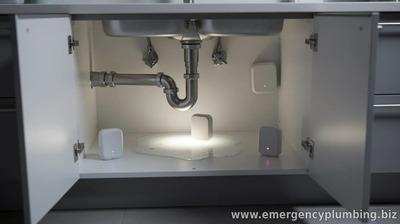
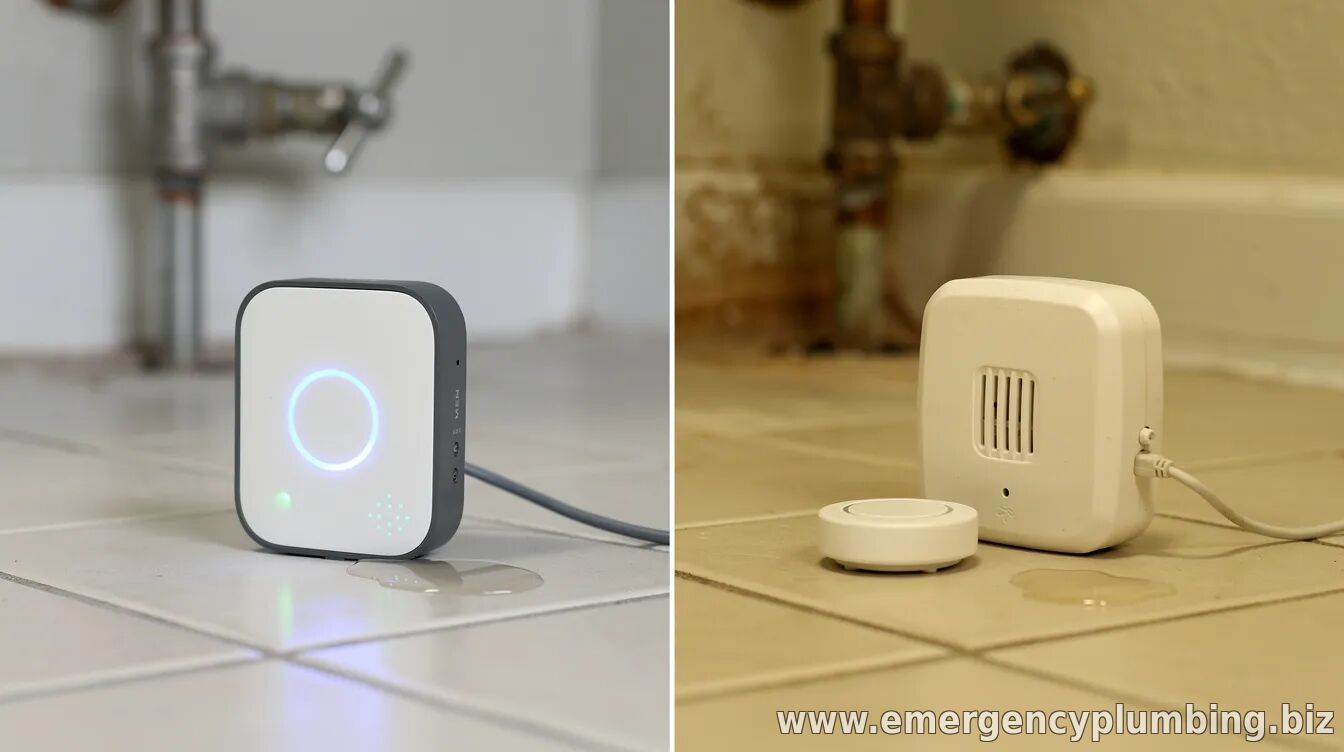
Basic leak detectors are usually straightforward devices you place under sinks, near water heaters, around toilets, or close to appliances. Most models focus on detecting moisture at the sensor and sounding an audible alarm (and sometimes sending a notification if the unit is connected to a home network).
For homeowners who want a low-cost layer of protection in a few high-risk spots, traditional detectors can be a practical starting point. They’re typically easy to install and don’t require subscription-based monitoring. What Moen Flo adds
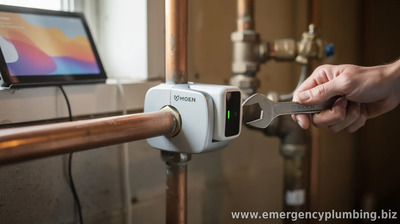
Moen Flo is designed for smart water awareness. Beyond alerting you when water is detected, the system is built to integrate into a broader smart-home approach—helping you track events, receive notifications, and (depending on the exact configuration) take action to limit damage early.
For many users, the key benefit isn’t just that a leak is detected—it’s that the system is meant to reduce the time between “a leak starts” and “you respond,” especially when you’re away from home or busy. Cost tradeoffs: sensors vs. platform
Traditional leak detectors tend to be cheaper on a per-location basis. If you only need coverage for a handful of known trouble areas, adding a few standalone sensors can be financially sensible.
Moen Flo, by contrast, typically represents a larger upfront investment because it functions as part of a platform rather than only a set of independent alarms. That doesn’t automatically make it better—just more costly—so the value depends on how many areas you want to protect and how quickly you expect to act on alerts. Real-world scenarios where the premium can pay off
Smart leak detection tends to be most compelling in situations where delays happen: vacations, long workdays, or multiple floors where hearing alarms isn’t reliable. Moen Flo’s approach is aimed at ensuring you’re informed promptly and can react before water spreads and causes hidden damage—drywall, subfloors, and cabinetry problems that often cost far more than the detector itself.
Additionally, if you want a single system to manage detection and communications rather than mixing multiple brands and alarm types, a unified platform can reduce setup friction and confusion.
Bottom line: Traditional leak detectors can be a cost-effective baseline, especially for apartments or homes where you only cover a few key points. Moen Flo can be worth the premium if you want faster response, stronger remote awareness, and a more integrated smart-home experience—particularly if you travel or want broader protection with fewer missed alarms.
Before buying, consider your coverage needs: how many locations you want to monitor, whether you can reliably hear traditional alarms, and whether you’re prepared to shut off water quickly when an alert appears. If those answers point toward quicker action and whole-home confidence, the higher cost may be justified.
| |
⏰ Dispatcher support 24/7
📞 224-754-1984CALL ☎ Subscribe 👆 FORUM 🗣
North Shore, Northwest suburbs of Chicago, IL
Next & Previous posts
Related articles: