

2:19 AM Do Illinois Homes Need Radon Mitigation Systems? | |
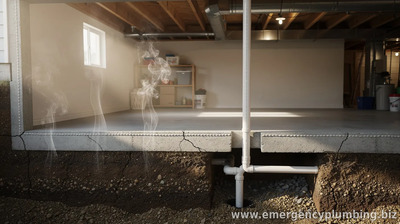
Radon is an odorless, invisible radioactive gas that forms naturally in soil and can enter homes through cracks in basements, crawl spaces, and foundation walls. Because you can’t detect it by smell or sight, the only reliable way to know your indoor risk is to test.
Illinois has regions where radon levels can be high, so the question for many homeowners is not whether radon exists, but whether their specific home has elevated concentrations that warrant action. Public health guidance generally emphasizes testing first, then installing mitigation only when results justify it. Why radon testing matters in Illinois
Radon exposure is linked to lung cancer, and indoor concentrations can be significantly higher than outdoor levels. Even homes that look sealed or well-maintained can still allow gas to enter through microscopic gaps, plumbing penetrations, or construction joints.
Because radon can vary widely from one property to the next—even within the same neighborhood—relying on assumptions can lead to unnecessary worry or, more importantly, missed risk. Testing provides the data needed to decide on next steps. What triggers a radon mitigation system
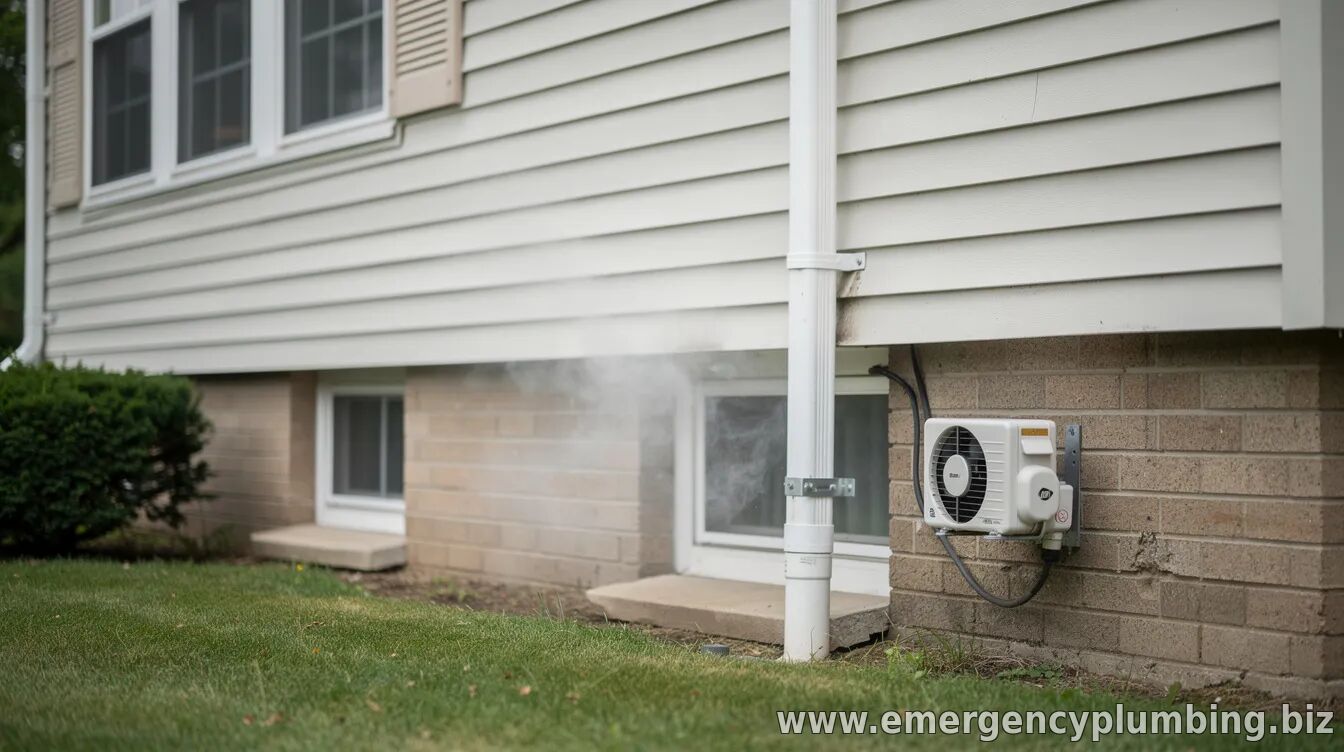
Most mitigation decisions are guided by radon concentration measurements from certified testing. If your results are at or above commonly used action thresholds, a radon mitigation system—most often a sub-slab depressurization system—may be recommended to reduce indoor radon by venting gas to the outdoors.
Homeowners typically choose between short-term and long-term tests depending on circumstances. Short-term testing can be useful when you need timely information, while long-term testing better captures seasonal variation, which can affect average radon levels. Common signs you may need mitigation (and the limits)
There are no definitive visual “signs” that confirm radon is elevated, and factors like having a basement or being near soil sources do not guarantee whether mitigation is necessary. However, testing history and building features can influence risk management decisions—especially if you’re buying a home or renovating spaces where radon entry pathways could change.
If you already have test results showing elevated radon, mitigation becomes a practical safety measure. If you don’t, the best next step is to test rather than guess. How mitigation works and what to expect
Radon mitigation systems are typically designed by qualified professionals and tailored to the home’s layout. The most common approach is to reduce radon entry from beneath the foundation by drawing soil gas away and venting it outside, usually through a pipe connected to a fan.
When installed correctly, systems are intended to lower indoor radon levels while maintaining indoor comfort. After installation, follow-up testing is often recommended to confirm the reduction and ensure the system is functioning as intended.
For homeowners in Illinois, the practical takeaway is straightforward: test your home, interpret results using established guidance, and install mitigation only when it’s warranted by your measured levels. If you’re unsure where to begin, consider using state-recognized resources and certified radon professionals to plan testing and remediation.
Next steps for readers: schedule radon testing, review your results carefully, and—if your levels are high—contact a qualified mitigation contractor for an evaluation and post-mitigation verification test.
| |
⏰ Dispatcher support 24/7
📞 224-754-1984CALL ☎ Subscribe 👆 FORUM 🗣
North Shore, Northwest suburbs of Chicago, IL
Next & Previous posts
Related articles: