

3:13 AM Tree Roots in Sewer Lines: How to Prevent and Remove | |
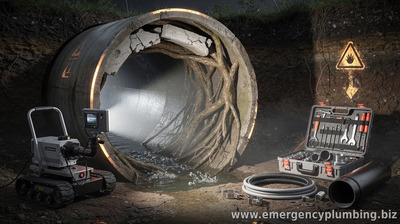
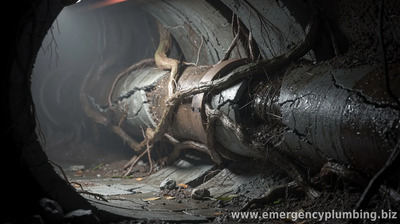
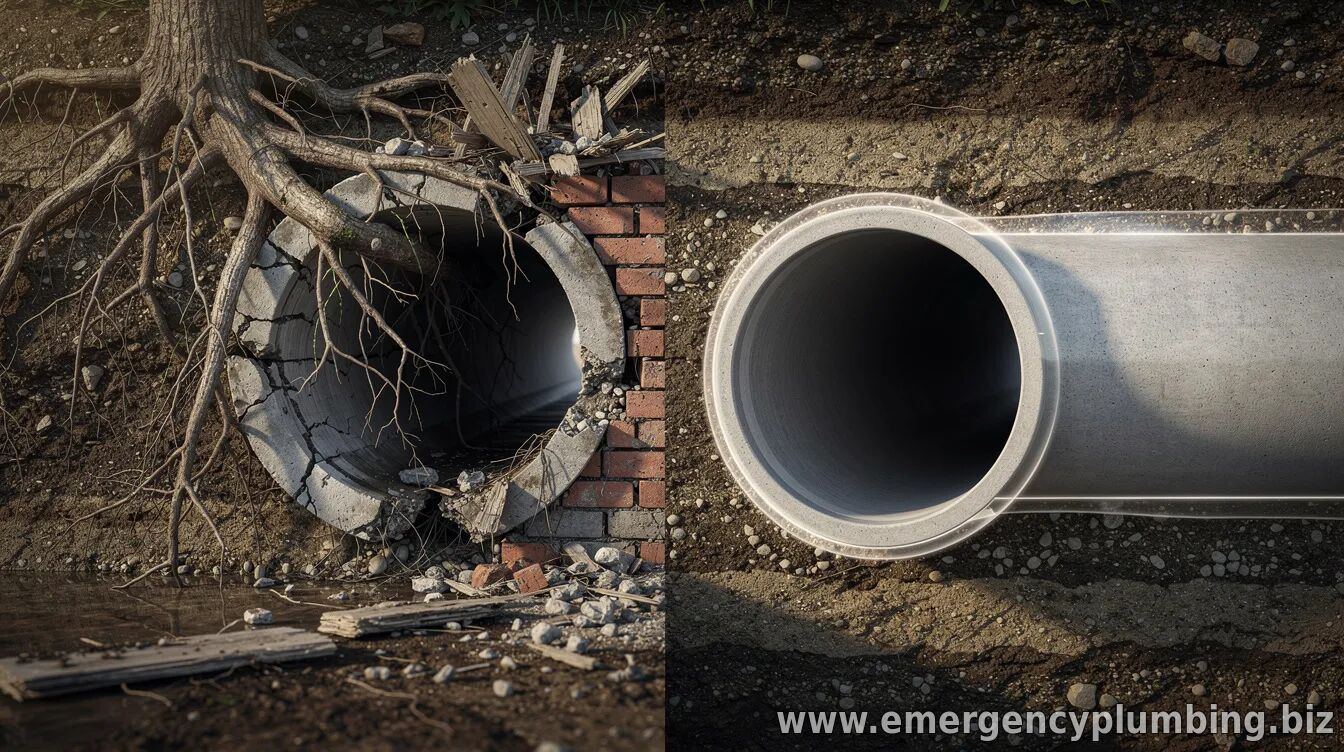
Tree roots in sewer lines are a common—and costly—problem for homeowners and municipalities, especially where pipes are older, made of brittle materials, or poorly sealed. Roots naturally seek moisture, and sewer leaks provide an attractive water source. Once roots enter through cracks or gaps, they can enlarge openings over time, eventually triggering blockages.
Common signs include recurring clogs, gurgling sounds from drains, slow toilet or shower drainage, unpleasant odors near cleanouts or outdoors, and sewage backups. In many cases, the issue worsens gradually, making early investigation important before it becomes a full line failure. How roots get into sewer pipes
Sewer pipes can become vulnerable due to age, shifting soil, freeze-thaw cycles, ground settling, corrosion, or damage from past repairs. Even tiny defects at joints can let roots penetrate. Once inside, roots can branch and form dense growth that constricts flow, trapping debris and accelerating deterioration. Prevention strategies that actually work
While no method guarantees roots will never invade, a combination of prevention steps can significantly lower the risk:
In many jurisdictions, proactive sewer maintenance—regular inspections and planned rehabilitation—can be more cost-effective than emergency responses after backups occur. Removal options: from cleaning to rehabilitation
When roots are already causing problems, removal typically begins with identifying where and how severely roots are entering. Professionals often use sewer camera inspection to locate the blockage and assess pipe condition before selecting a method.
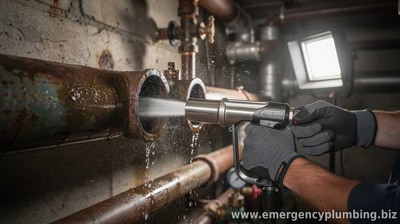
Depending on severity and pipe condition, common approaches include mechanical root cutting and controlled cleaning to restore flow. However, removal alone may not be enough if the underlying access points remain. For longer-term results, repair or rehabilitation of the pipe—such as sealing joints or applying internal liners—can reduce the chance of re-invasion.
Chemical treatments are sometimes marketed as root-killers, but results vary and they may be unsuitable for all pipe types or conditions. Some products can damage surrounding materials or create risks if misapplied. For that reason, many experts recommend evaluating chemical use only after professional assessment and in line with local guidance. When to call a professional
Root intrusion is rarely a do-it-yourself task, particularly when backups occur, the affected section is deep underground, or the pipe material is unknown. A licensed plumber or sewer contractor can determine whether the goal is short-term clearing, structural repair, or a full rehabilitation plan.
Call promptly if you notice repeated clogs, sewage odors, slow drains across multiple fixtures, or any sign of backup. Acting early can prevent root growth from expanding openings and causing irreversible pipe deformation.
To minimize recurrence, request a camera inspection report and a clear explanation of the pipe’s condition, root location, and recommended remediation path. In many cases, combining root removal with targeted pipe repairs provides the best balance of restored service and long-term protection.
| |
⏰ Dispatcher support 24/7
📞 224-754-1984CALL ☎ Subscribe 👆 FORUM 🗣
North Shore, Northwest suburbs of Chicago, IL
Next & Previous posts
Related articles: