

1:23 AM Smart Leak Detectors Compared: Which One to Buy? | |
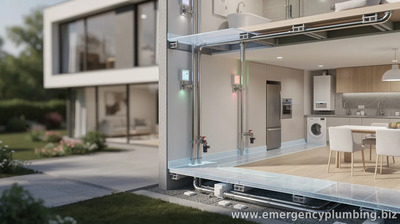
Water leaks don’t usually start as a disaster—they start as a small problem that goes unnoticed. That’s why smart leak detectors have become a popular home upgrade: they place a sensor near vulnerable spots (under sinks, behind toilets, near water heaters) and send an alert to your phone when moisture is detected.
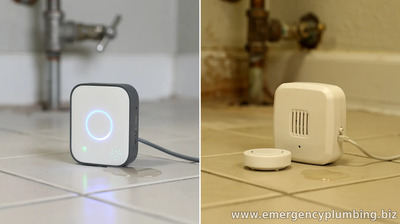
But “smart” can mean different things. Some detectors rely on a separate hub, others work directly with Wi‑Fi, and many differ in how they handle alerts when internet goes down. Below is a comparison framework to help you choose the right leak detector for your home—and avoid paying for features you won’t use. 1) Connectivity: Wi‑Fi, Z‑Wave, Zigbee, or standalone
Your detector’s connectivity affects reliability and setup complexity. Wi‑Fi models are often easier to install, but they can be more dependent on your home network. Zigbee and Z‑Wave sensors typically require a hub, yet they can integrate smoothly with broader smart-home systems and may offer more stable local networking.
If you already run a smart-home hub (for example, Z‑Wave or Zigbee), matching the leak detector to that ecosystem can reduce friction. If you want minimal setup, a standalone Wi‑Fi detector may be the simpler path. 2) Power and battery strategy
Leak detectors spend most of their lives idle, so battery life matters more than speed. Look for models with clearly stated battery longevity, low-battery notifications, and (ideally) replaceable batteries. Hardwired units—where available—can be attractive for long-term reliability, especially in areas you don’t want to service frequently.
Also check how the device behaves during outages. A reliable leak detector should keep monitoring even if the router or power cycle happens, and still alert you through whatever local method it supports. 3) Sensor design: built-in vs. probe and placement flexibility
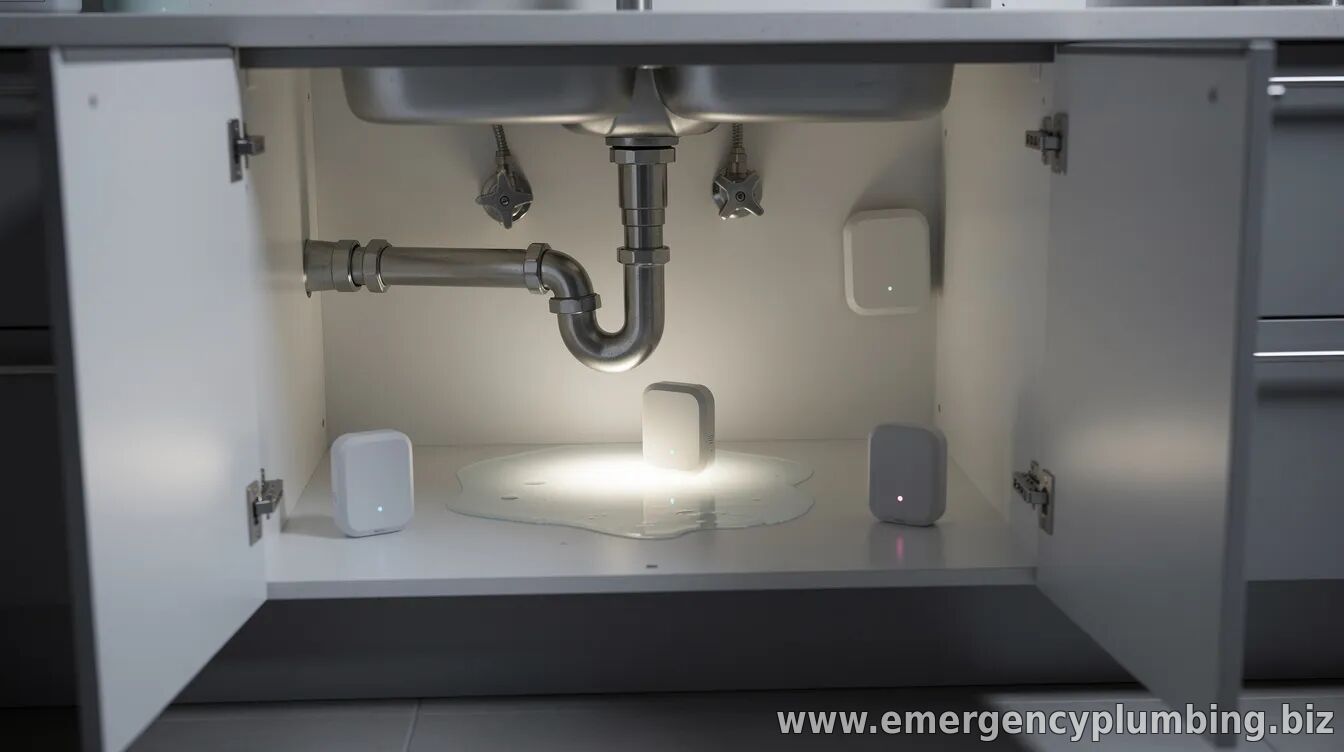
Not all leaks look the same. Some setups benefit from flat, built-in moisture pads for easy placement under cabinets, while others may need a probe or cable sensor to position detection exactly where water accumulates.
For example, under-sink areas often favor compact built-in sensors, while behind appliances or in tight utility spaces can benefit from flexible probes. If you plan to add multiple detectors, consider whether the system supports additional sensors and how easy it is to pair them. 4) Alerts and automation: what happens when it detects water
The core value of a smart leak detector is the alert—and the follow-through. Most models trigger phone notifications, but the best ones also support richer options such as push + sound, Home/Smart Home integration, and (in some ecosystems) automation hooks.
Practical “worth installing” features include:
Some ecosystems also enable automations like turning on lights, sending messages to multiple users, or triggering a related routine. If your goal is prevention—not just notification—automation compatibility becomes a deciding factor. Which smart leak detector is “worth it” for most homes?
In general, the best leak detector is the one that you’ll actually install correctly and trust when it matters. For most households, a Wi‑Fi or hub-based detector with strong phone alerts, a reliable battery plan, and flexible placement options tends to be the most practical choice.
If you already invested in a particular smart-home ecosystem, prioritize compatibility and consider expanding from a single sensor to a small network around high-risk areas. If you don’t have a hub, choose a detector that supports straightforward setup and offers an offline/local alarm option.
Before buying, read for three specifics: (1) how alerts work during internet or power issues, (2) the expected battery life and maintenance requirements, and (3) whether the sensor’s form factor matches the locations you’re protecting.
Smart leak detectors aren’t glamorous, but they’re among the most cost-effective ways to reduce the odds of a minor spill becoming costly water damage. With the right connectivity, placement flexibility, and alert reliability, the “best” model is simply the one that fits your home—and will be there when you need it.
| |
⏰ Dispatcher support 24/7
📞 224-754-1984CALL ☎ Subscribe 👆 FORUM 🗣
North Shore, Northwest suburbs of Chicago, IL
Next & Previous posts
Related articles: