

0:40 AM Toilet Keeps Clogging? Common Causes and When to Call | |
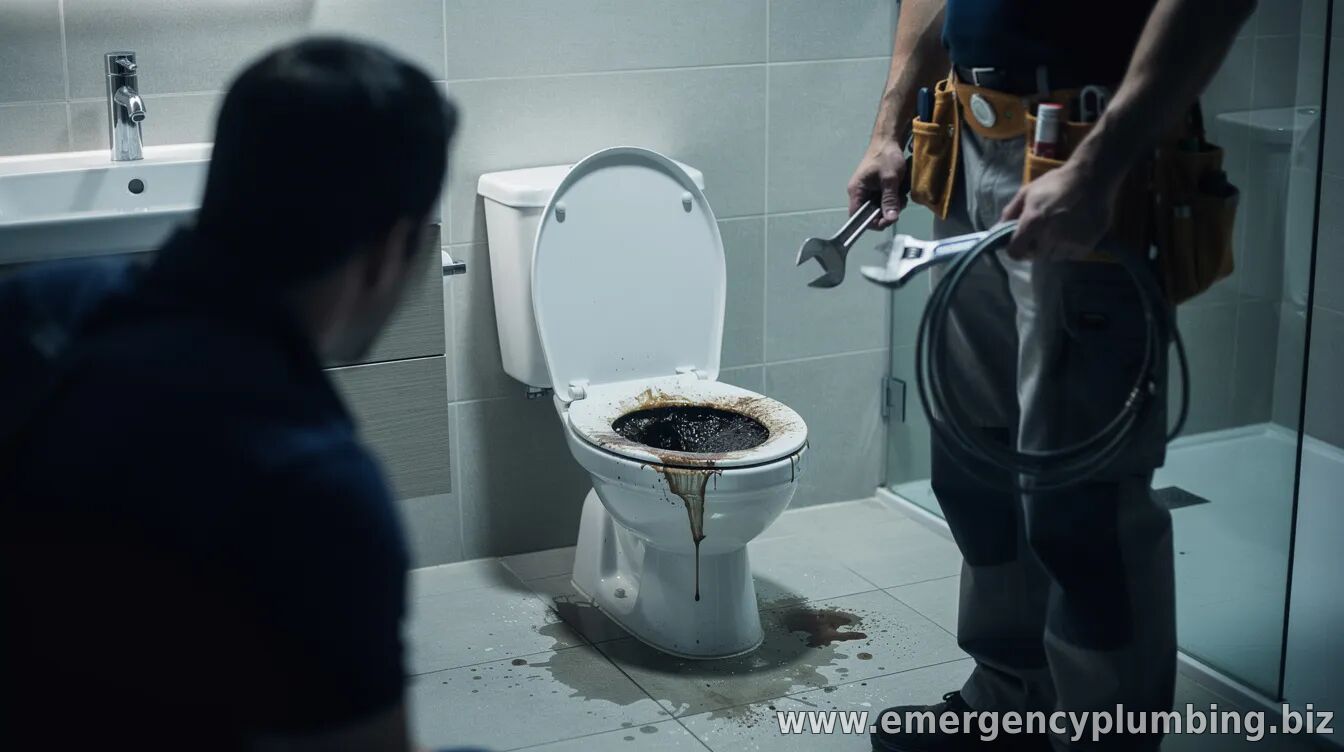
A toilet that keeps clogging can be frustrating—and it can also waste water every time you try to clear the problem. While a one-off clog is common, repeated backups often point to a consistent cause that deserves attention.
Plumbers typically advise homeowners to treat recurring clogs as a signal to investigate the system rather than relying on repeated plunging. The goal is to find what’s causing waste to accumulate instead of moving through the drain line. Frequent causes behind repeated toilet clogs
One of the most common reasons is what goes down the toilet. Items that don’t break down properly—such as wipes labeled “flushable,” paper towels, feminine hygiene products, and excessive toilet paper—can build up over time and reduce flow.
Another major factor is flushing behavior. Using too little water, forcing multiple items in at once, or “double flushing” without addressing a partial blockage can worsen the situation. Toilets are designed to move waste in a specific way; changes in volume or solids can push waste to accumulate.
Older plumbing can also contribute. Slow-moving drains, mineral buildup in pipes, and worn internal components can make the toilet more prone to blockages. Tree roots, especially in outdoor drain connections, can even infiltrate and restrict flow. When to call a plumber (and what they may do)
If the toilet clogs more than once in a short period, professional help is often the safest and most cost-effective option. A plumber can confirm whether the issue is limited to the toilet itself (such as a faulty flapper or fill level) or extends to the drain line.
Technicians may use tools like drain inspection cameras to pinpoint where the blockage is forming, and they can clear deeper clogs using plumbing methods designed to avoid damaging pipes. If the problem is structural—such as a venting issue or a line restriction—early diagnosis can help prevent repeated disruptions.
Calling a professional is especially important if you notice signs of a bigger problem: gurgling sounds from sinks, slow drainage throughout the house, sewage odors, or water backing up in multiple fixtures.
For homeowners looking to reduce the risk of future clogging, experts recommend flushing only appropriate toilet paper in reasonable amounts, avoiding “flushable” non-toilet paper products, and checking that the tank’s water level is correct. But if clogs keep returning, a plumber can help identify and fix the root cause instead of treating each incident as a standalone event.
| |
⏰ Dispatcher support 24/7
📞 224-754-1984CALL ☎ Subscribe 👆 FORUM 🗣
North Shore, Northwest suburbs of Chicago, IL
Next & Previous posts
Related articles: