

0:43 AM What Affects the Cost of Sewer Line Replacement? | |
Sewer line replacement is rarely a simple “swap-in-a-new-pipe” project. The final price is shaped by site conditions, the scope of work, and the methods crews use to access and replace aging or failed sewer lines. While quotes can differ substantially from one home to the next, most cost differences trace back to a handful of predictable factors.
1) Line length and location often set the baseline. The longer the sewer run and the farther it is from the building, the more material, labor, and equipment are typically required. The line’s location also matters: runs under driveways, patios, sidewalks, or landscaped areas can raise costs because excavation and restoration are more complex than work in unobstructed yards. 2) Excavation depth and access constraints
The deeper a sewer line sits, the more challenging and expensive it can be to reach safely. Crews may need additional shoring, careful planning around underground utilities, and specialized equipment. Tight access—such as limited vehicle space, narrow side yards, or obstacles like fences and mature trees—can also increase labor time and mobilization costs. 3) Pipe condition and the extent of damage
Not all “replacement” jobs are identical. If the sewer line is only partially compromised (for example, a localized failure), contractors may be able to limit replacement to a smaller section or use trenchless options. But widespread collapse, severe root intrusion, repeated backups, or multiple failing sections can require full-length replacement, which increases both materials and labor.
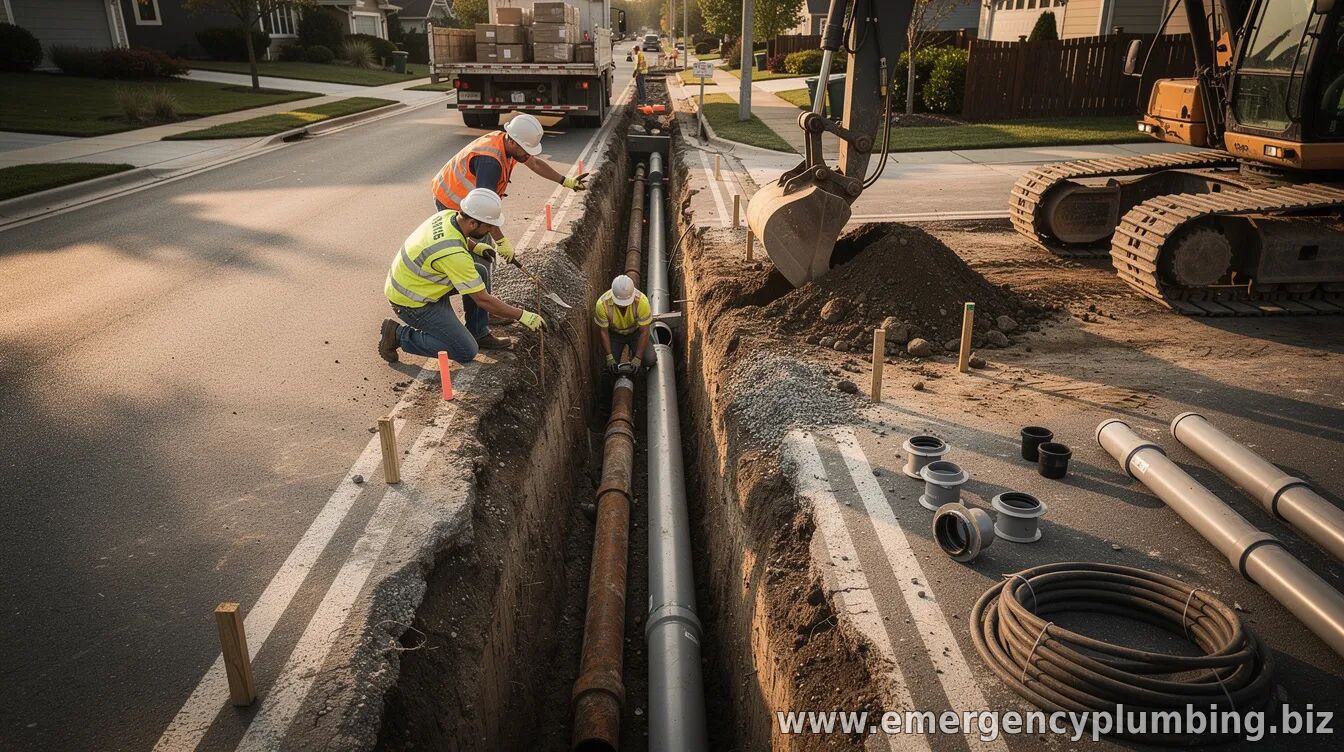
4) Replacement method (open-trench vs. trenchless) is a major cost driver. Traditional open-trench replacement typically involves digging up the line from start to finish, which can be less expensive in some straightforward conditions but more disruptive and restoration-heavy. Trenchless methods—commonly used to reduce surface disruption—may cost more upfront, but can lower restoration costs and time in areas where digging is difficult or undesirable. The best option depends on the pipe’s condition and site constraints.
5) Pipe material and diameter influence pricing as well. Contractors may use different materials (such as PVC, ductile iron, or other approved systems) based on local codes, soil conditions, and the specific application. Diameter requirements can also affect material costs and installation complexity.
6) Permits, inspections, and utility coordination add to the total cost. Sewer work usually requires permits, scheduled inspections, and sometimes coordination with utility providers to avoid conflicts with gas, water, electric, telecom, or storm drains. In some jurisdictions, required testing or documentation can increase administrative time and overall project expense. 7) Testing, locating, and pre-work
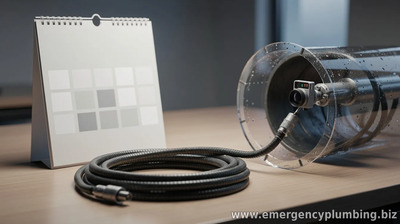
Before replacement begins, contractors typically perform steps like camera inspections and line locating to identify the exact problem area. These diagnostics help prevent guesswork, but they can add to cost—especially when access is limited or the existing system is difficult to map. If additional repairs are uncovered during inspection (for example, associated cleanouts or connections), pricing may rise.
8) Surface restoration and landscaping replacement can be one of the biggest “hidden” budget items. Replacing a sewer line may require rebuilding driveways, patios, sidewalks, lawn grading, irrigation adjustments, or new landscaping. Even with trenchless techniques, some surface restoration is often needed for access points, tie-ins, and permits-related requirements.
9) Site conditions like soil type and groundwater can change construction difficulty. Certain soils may require extra support measures during excavation, and high groundwater can affect how contractors stabilize trenches or manage dewatering. Seasonal conditions and recent rainfall can also influence scheduling and the cost of safe installation practices.
10) Labor rates and local market conditions ultimately affect the quoted price. Costs vary by region due to differences in labor availability, equipment rental rates, disposal fees, and contractor overhead. Getting multiple estimates from reputable providers—and ensuring each quote includes the same scope—helps you compare fairly.
To manage cost risk, homeowners can ask contractors for a detailed breakdown covering diagnostics, excavation or trenchless access, materials and pipe size, permits and inspections, restoration scope, and warranty terms. Since sewer line replacement is a high-impact project, clarifying what’s included (and what isn’t) can make the difference between an accurate budget and an expensive surprise.
| |
⏰ Dispatcher support 24/7
📞 224-754-1984CALL ☎ Subscribe 👆 FORUM 🗣
North Shore, Northwest suburbs of Chicago, IL
Next & Previous posts
Related articles: