

6:23 AM Does Baking Soda and Vinegar Really Unclog Drains? | |
Baking soda and vinegar have long been marketed as a quick DIY fix for clogged drains. The mixture produces lots of bubbles, which can look like it’s “working,” but the science behind what happens—and what doesn’t—makes the results far less dependable than many people expect. What the mixture actually does
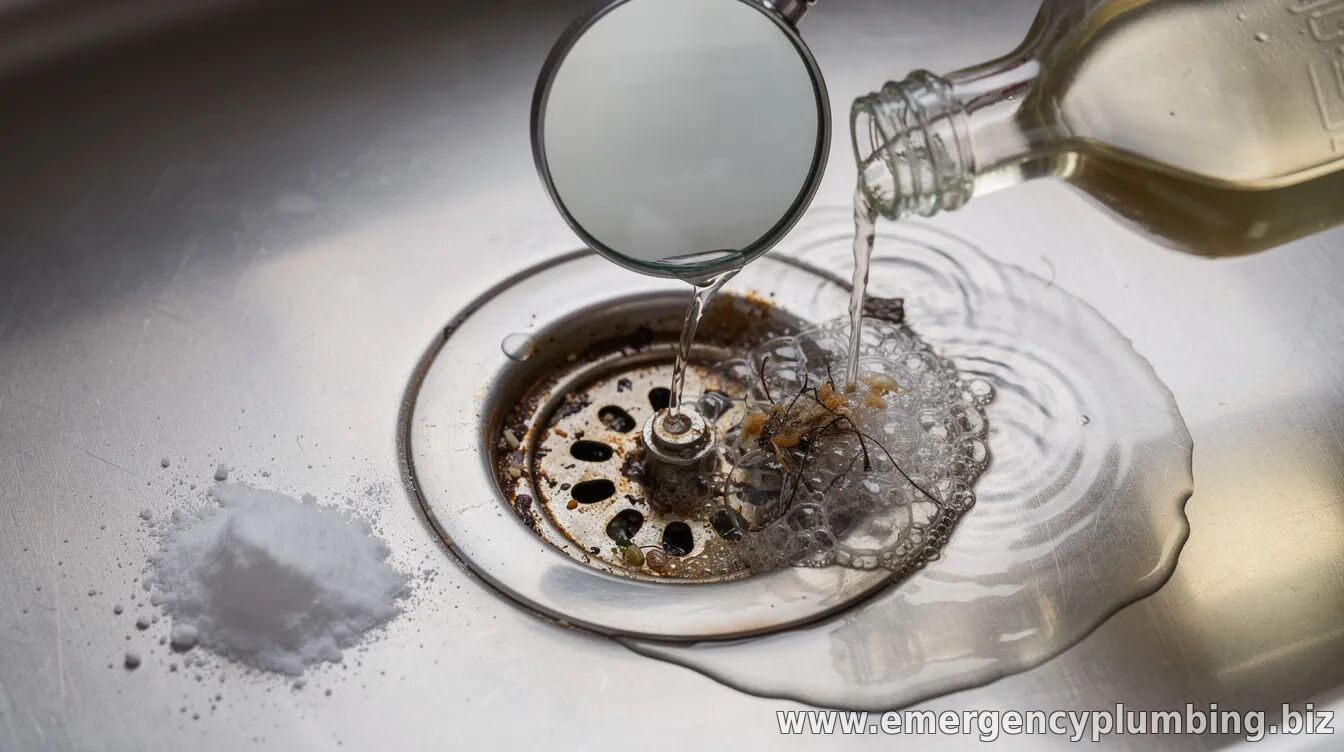
When baking soda (a base) meets vinegar (an acid), they react to release carbon dioxide gas. That reaction creates the familiar foaming and bubbling effect. The fizz can help dislodge some minor buildup near the drain opening and may lift small amounts of grease that are not fully hardened.
However, the reaction is mostly happening in the presence of water and within a limited area. The gas bubbles alone generally don’t generate enough pressure to break through stubborn clogs deep in plumbing. Why it often fails for real clogs
Clogs commonly form from materials that don’t dissolve with vinegar—such as hair, soap scum that has bonded to pipe walls, cooking grease that becomes semi-solid, and items that catch and accumulate over time. Baking soda and vinegar are not solvents for these materials, and they don’t “melt” clogs in the way many home myths suggest.
In many cases, people use the mixture after the clog is already established. By then, water flow may already be restricted, and the reaction may not reach the blockage effectively. What you can expect (and how to use it safely)
If your drain is only starting to slow down, the mixture may be worth trying as a gentle maintenance step. It’s also sometimes used as an odor reducer, since it can help with minor organic residue.
When to choose other solutions
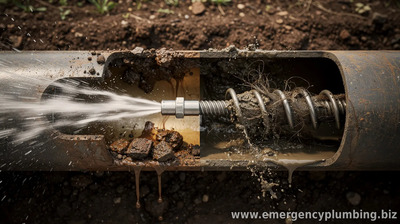
For persistent clogs, a plunger (for sinks and tubs) or a drain auger/snake (for deeper obstructions) is usually more effective because it physically removes or breaks up the blockage. If the clog returns frequently, it may point to a larger issue like buildup in the trap, venting problems, or tree-root intrusion for outdoor drains—cases that may require a plumber.
In short: baking soda and vinegar can help with small residue and odors, but they are not a dependable unclogging method for most real-world drain blockages. If your drain is fully blocked, the “fizz” is rarely a substitute for mechanical clearing—or professional diagnosis.
| |
⏰ Dispatcher support 24/7
📞 224-754-1984CALL ☎ Subscribe 👆 FORUM 🗣
North Shore, Northwest suburbs of Chicago, IL
Next & Previous posts
Related articles: